
Comparisons
AEO vs SEO: What B2B SaaS Teams Should Change First
The right order depends on your site’s foundation. If you already rank, the next step is passage-level AEO rewrites that make pages quotable in ChatGPT and AI Overviews.
AEO / GEO / LLMO operations
Technical notes on AI citations, content systems, and the publishing pipeline.
The right order depends on your site’s foundation. If you already rank, the next step is passage-level AEO rewrites that make pages quotable in ChatGPT and AI Overviews.

A practical checklist for making B2B SaaS pages easier for Perplexity to retrieve, extract, and cite. It covers crawl access, answer structure, freshness, evidence, and comparison fit.

Make existing posts more quotable for ChatGPT by fixing crawl access, aligning retrieval fields, and adding a direct answer near the top. The guide shows when to restructure versus rewrite.

The fastest path into Google AI Overviews is improving pages you already rank with, not starting a separate AI strategy. Learn the technical bar, query fit, and passage structure that make pages easier to cite.
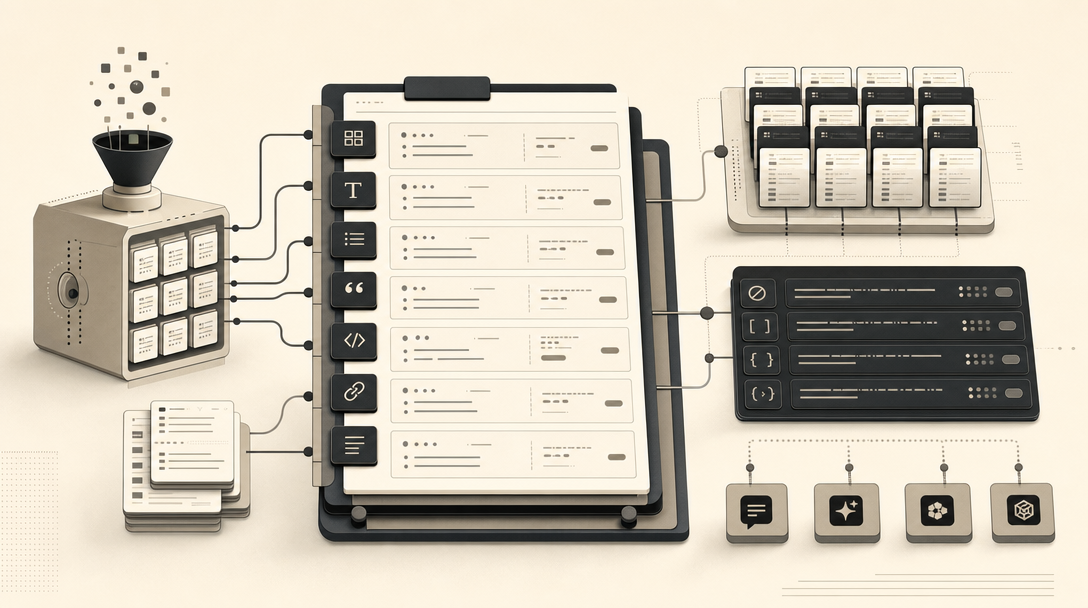
Standardize the template frame, not the page itself. The article shows where SaaS teams should keep programmatic SEO consistent, what must vary, and when to noindex thin pages.

The best AEO platforms in 2026 depend on the job you need done: monitoring, optimization, or attribution. This guide compares pricing, engine coverage, and fit for B2B SaaS teams.

See how AEO content platform pricing splits across starter, mid-market, and enterprise plans. The key difference is whether the tool tracks only citations or also ships grounded articles.
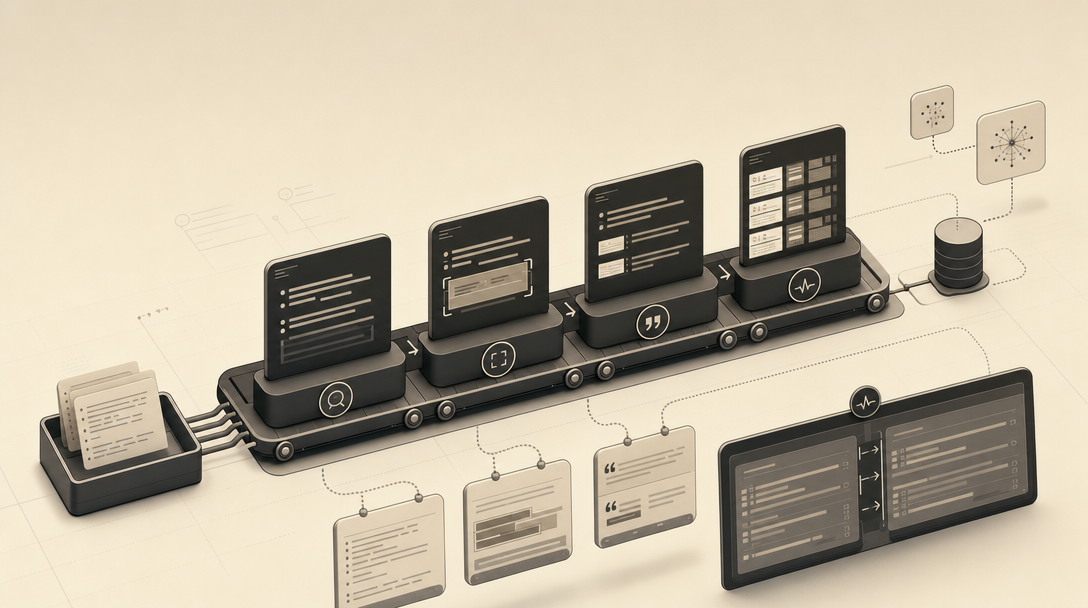
An AIO tracker measures answer-body mentions, citations, and competitor placement across AI engines. Use a fixed prompt set and weekly re-checks to see what changes.

Start with diagnostic clarity before signing a retainer. This guide breaks AISO services into audit, optimization, and attribution so you can buy the right layer first.

Decode AEO, GEO, LLMO, AIO, and AISO by surface, metric, and workflow. The article shows why SEO still underpins AI search and where each acronym fits.

SGE was the experiment; AI Overviews is the production feature. This guide explains the 2023 to 2024 timeline, what generative results include, and where the limits still matter. For content teams, it also translates the shift into AEO, GEO, LLMO, and SEO decisions.
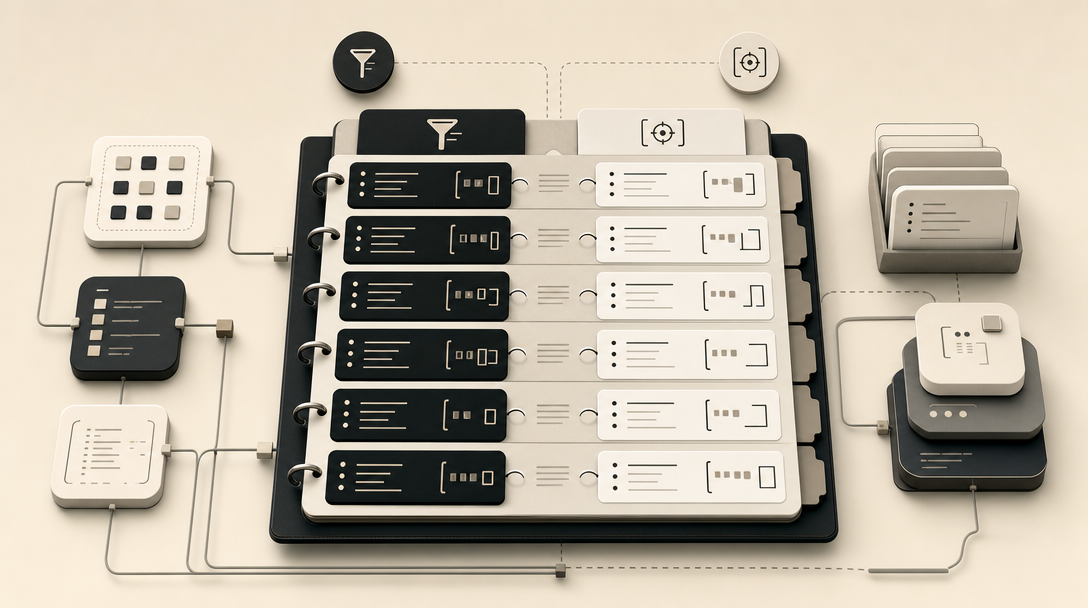
Build a writer brief that gives AEO direct-answer structure and GEO citation signals in one workflow. The template covers fan-out, sources, schema, links, and post-publish checks.
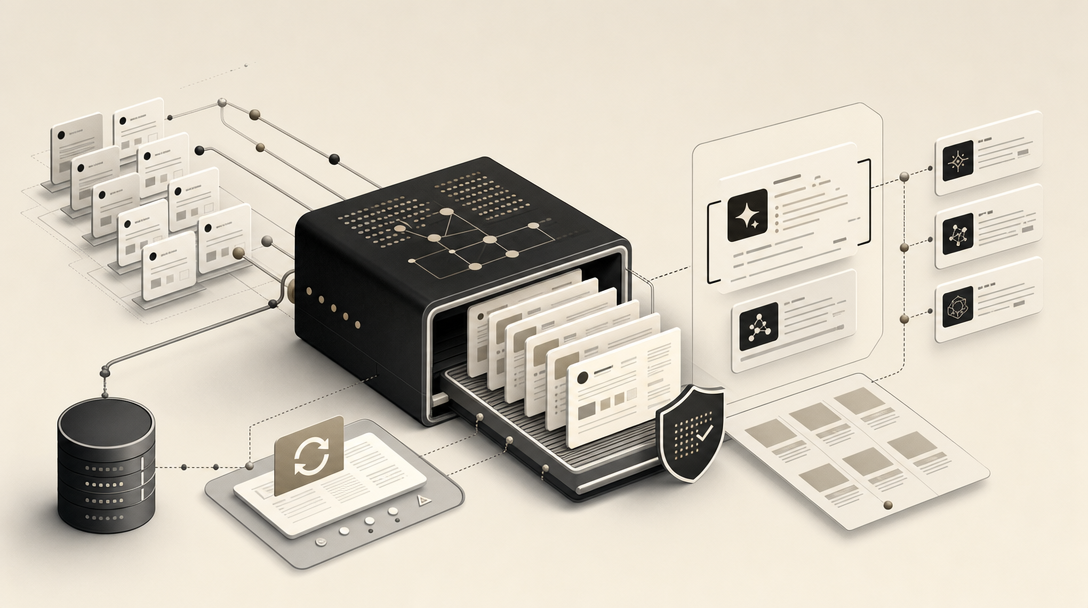
Use a URL-level go/no-go test before you generate anything. The playbook shows how to keep programmatic SEO useful with rich data, unique proof, and review gates.
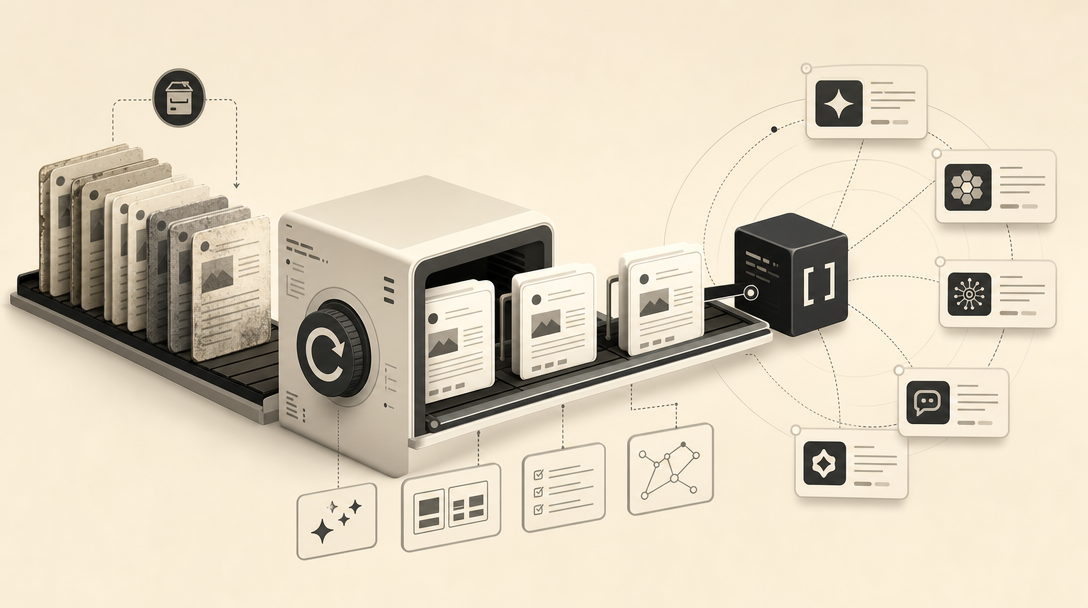
Refresh existing posts on the same URL, then update facts, structure, and answer-first passages so AI engines can retrieve and cite them. The guide also covers freshness dates, when to rewrite, and how often to refresh high-value pages.

Most SaaS teams do not need a full rewrite to win AI citations. The practical move is to triage old URLs, keep the winners, and refactor the pages with the strongest citation potential.

Google AI Overviews can skip a page even when it ranks well. This guide breaks the failure points into trigger, extraction, verification, and freshness so you can fix the right one first.
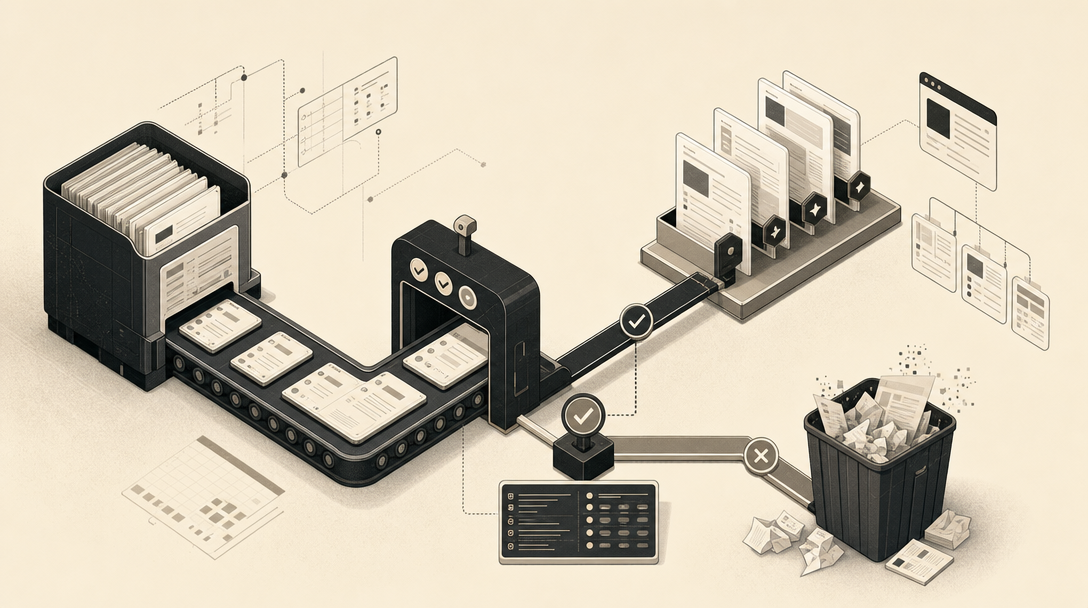
Use programmatic SEO only when a glossary term family can support 50 or more pages, has structured data, and gives readers a real answer. Otherwise, keep it editorial.

Refresh glossary entries as standalone answer passages, then reinforce them with schema, internal links, and a tiered cadence. The result is a page structure answer engines can actually retrieve and quote.
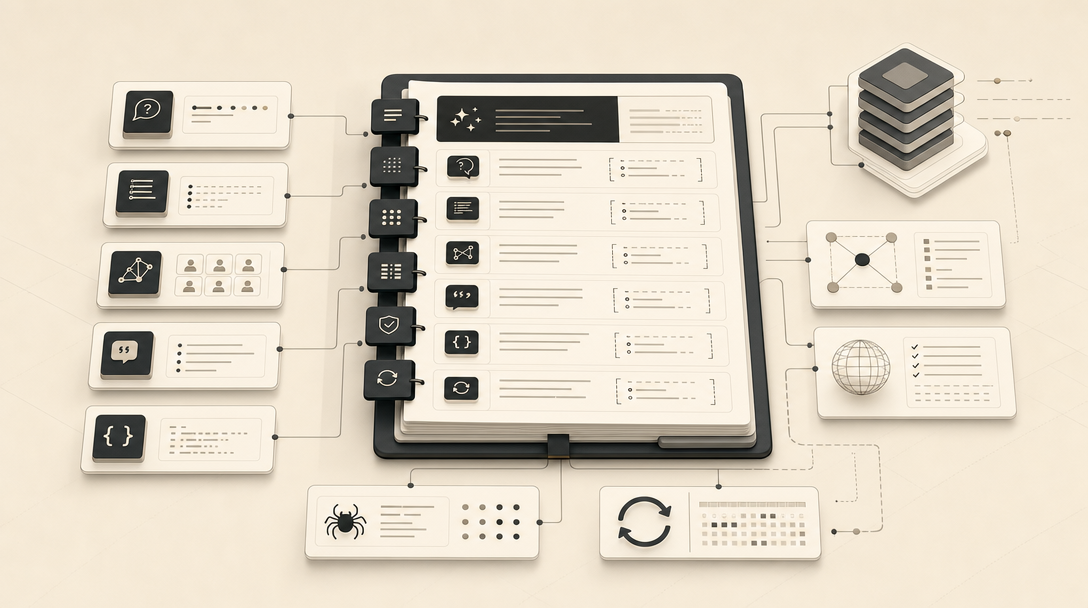
A GEO content brief is the operating spec that makes a page easier for AI systems to extract, verify, and quote. It also keeps SEO, schema, and QA aligned before drafting starts.

A diagnosis-first retrofit keeps URL equity intact while making old posts easier for AI Overviews to extract and cite. The article shows when to update, rewrite, or delete.
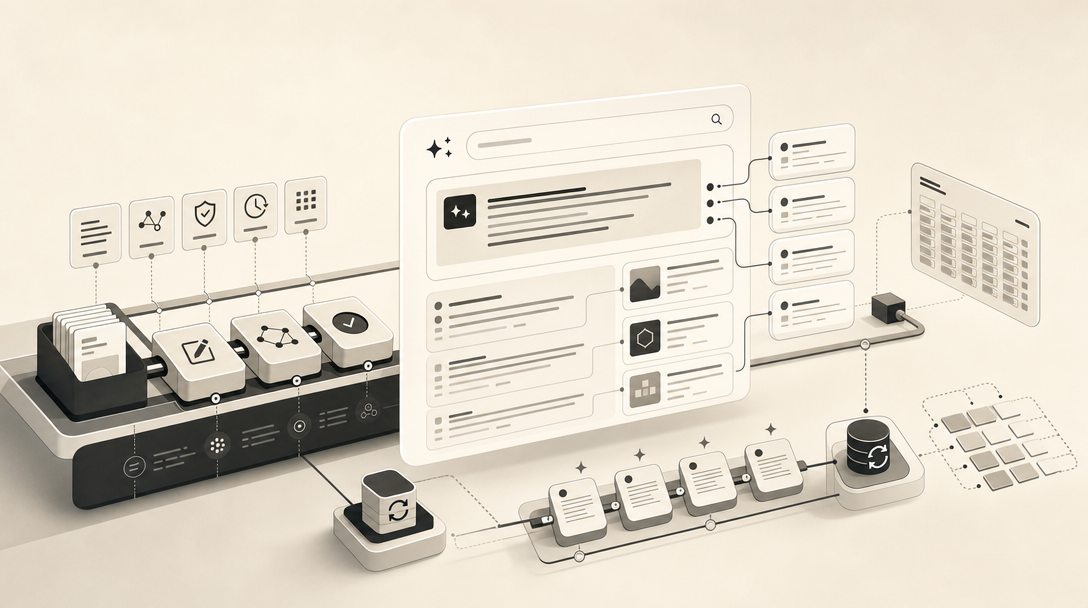
Understand what Google’s Search Generative Experience was, how it works, and how it changed answer-first search. Learn the content structure that improves citation chances in AI-generated results.

Learn what an AI search content engine is and how it helps B2B SaaS teams publish citation-ready pages for answer engines and classic search. See the workflow from site profile to refreshes.
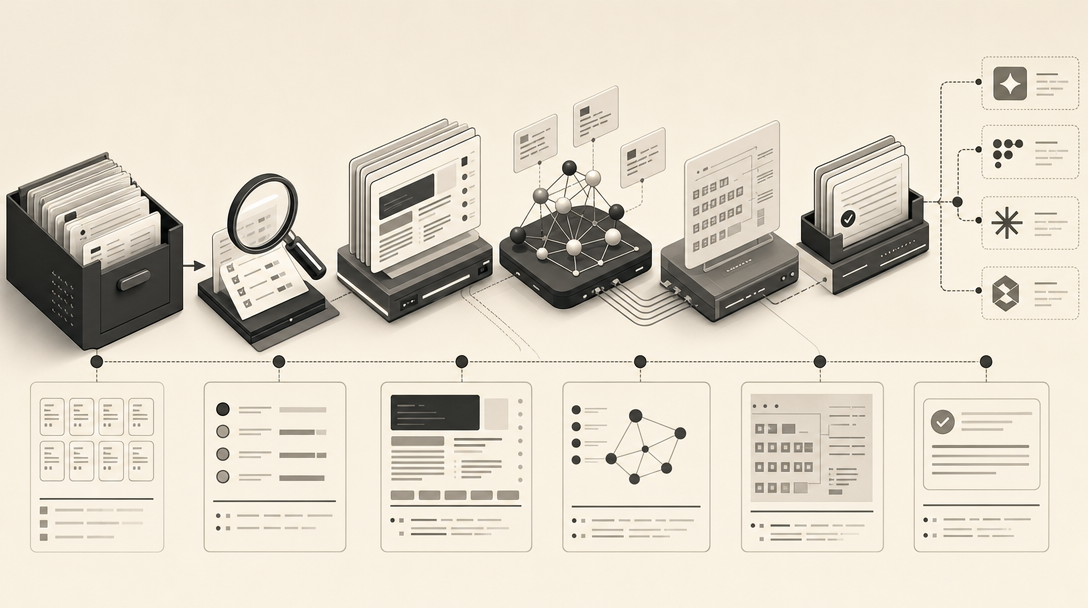
Use your existing SEO archive as the fastest path to citations in ChatGPT, Perplexity, and Google AI Overviews. This guide shows how to refresh pages for AEO without rebuilding your stack.

Bluefish’s $43M Series B signals that AI-answer visibility is now infrastructure for enterprise marketing. The real gap is still publishing citable content that AEO, GEO, LLMO, and SEO can surface.

Ahrefs Brand Radar starts as a monitoring budget, not a content budget. See the pricing math, add-ons, and what teams still need to produce citable pages.
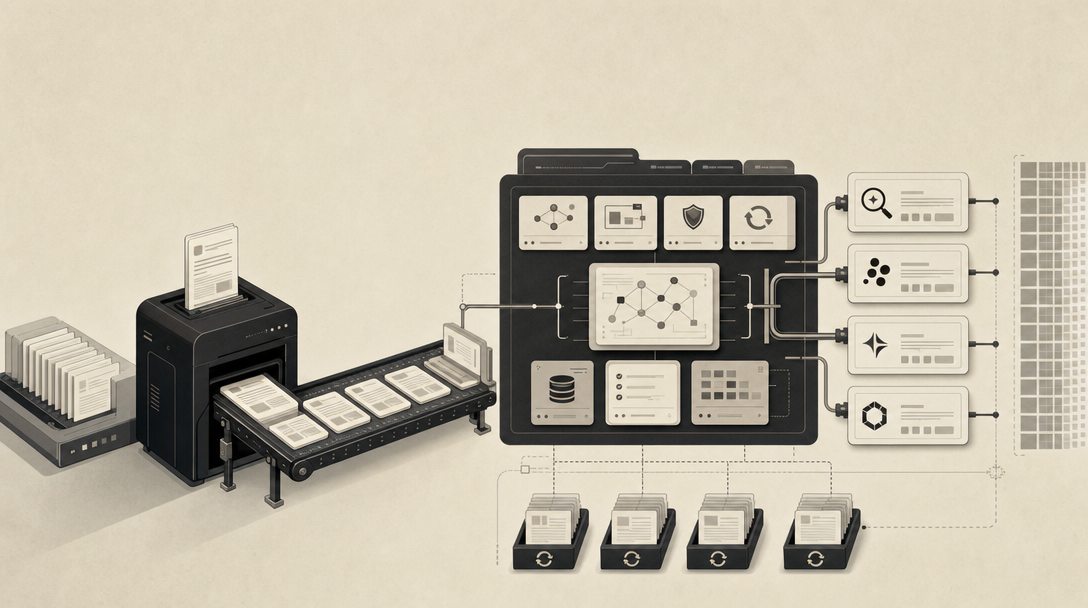
Byword speeds up drafting and batch article generation, but strategy, governance, and refreshes still sit outside the tool. Mentionwell adds a citation-shaped workflow for AEO, GEO, LLMO, and SEO across one site or many.

HubSpot’s AEO Grader is a useful snapshot, but it stops at diagnosis. Learn what the score reveals, what it hides, and how to turn it into a content workflow.
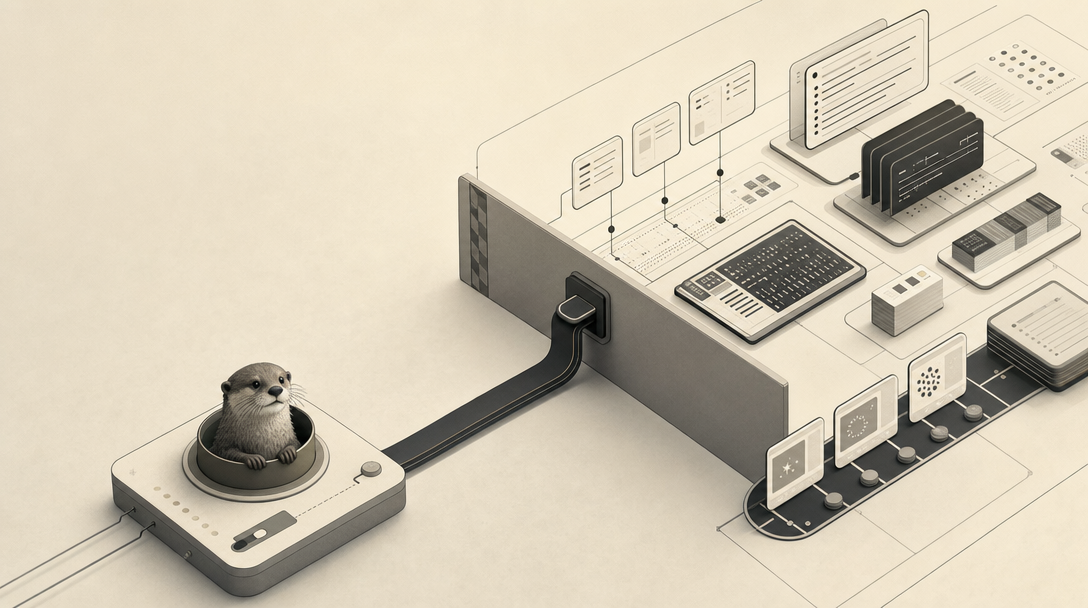
Otterly is a solid entry point for AI search monitoring, but it stops at visibility. Use this guide to judge when prompt caps, engine coverage, and publishing needs justify moving on.
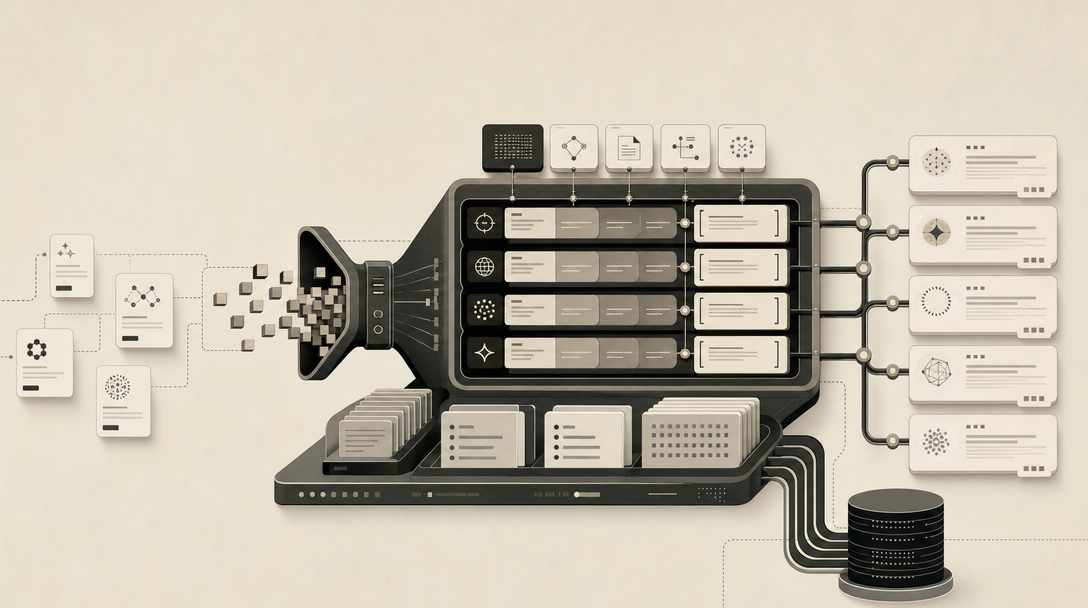
Semrush can benchmark AI visibility, but measurement alone does not ship citation-ready content. See how to turn gaps into an operating workflow across AEO, GEO, LLMO, and SEO.
Profound can surface citation gaps across answer engines, but it does not ship the articles that fill them. This guide separates valuation, monitoring, and the publishing workflow teams still need.